



Management of High-Risk Pumps
High-temperature pumps: Transport media with operating temperatures ≥ auto-ignition point or 260°C.
Liquid hydrocarbon pumps: Transport C1-C4 hydrocarbon media.
Moderate toxic/hazardous media pumps: Include benzene, hydrogen sulfide, and other toxic/hazardous media (refer to HG/T 20660-2017 classification standards for toxicity and explosion hazard levels of chemical media in pressure vessels). Typically, these include aromatic hydrocarbon pumps (e.g., benzene, toluene, xylene) and hydrogen sulfide-containing media pumps (e.g., acid water pumps, rich amine liquid pumps).
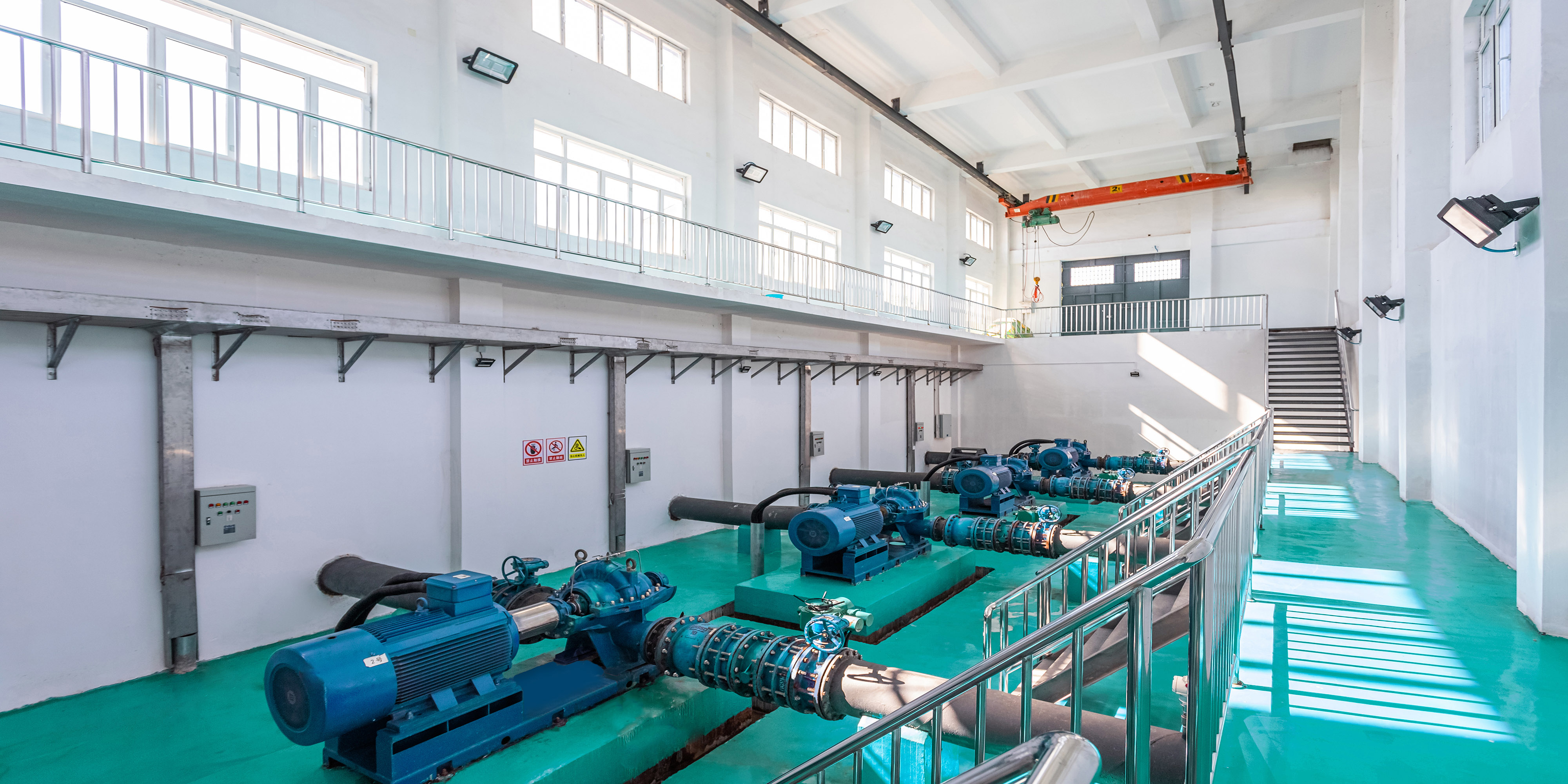
Design and Selection Requirements for High-Risk Pumps
Centrifugal pumps must comply with API 610 (SH/T 3139) for design, selection, material fabrication, inspection, and testing.
Shaft-end mechanical seals must use tandem, double-face mechanical seals, or dry gas seals complying with API 682 (SH/T 3156).
For liquid hydrocarbon pumps and toxic/hazardous media pumps, sealless pumps (canned pumps or magnetic drive pumps) per API 685 (SH/T 3148) may be selected.
Shaft-End Seal Configuration Requirements
High-temperature pumps: Prioritize seal plan Plan 32+53A; if site conditions are insufficient, use Plan 21+53B.
Liquid hydrocarbon pumps:
C1-C3: Use Plan 11+52 or Plan 11+72+76; vertical pumps may adopt Plan 14+52 or Plan 14+72+76.
C4: Use Plan 11+52 or Plan 11+72+75 (or 76).
Toxic/hazardous media pumps:
Aromatic hydrocarbon media: Plan 11+53A.
Hydrogen sulfide-containing media: Plan 32+53B (or 53A). If no suitable flushing source is available, use Plan 11 or Plan 21 for primary seals.
High-temperature pump primary seals: May use Plan 32 or Plan 21. Backing cooling for seals must use demineralized water or steam at ≤0.3MPa. For mechanical seals with heat exchangers, use softened water for cooling. New installations must be equipped with softened water stations; circulating water or fresh water is strictly prohibited for cooling seals or coolers. Retrofitting without softened water stations must be gradually implemented. Flushing oil temperature (including self-flushing and external flushing) must be ≤70°C (follow design requirements for special cases).
Seal selection and materials must comply with API 682 (SH/T 3156). Seal auxiliary fluid tanks must be equipped with monitoring instruments for pressure, level, and temperature. Pressure and level displays should generally use transmitters, with signals transmitted to the control room for real-time monitoring and included in daily alarm management. Each fluid tank in a Plan 53A system must have an independent nitrogen pressure-regulating valve and pressurized fluid replenishment facilities.
Sealless pumps (canned/magnetic drive pumps): New installations must comply with API 685. Canned pumps must be equipped with rotation monitoring, shield leakage detection (or shield temperature detection), and graphite bearing wear monitoring. Sealless pumps must have low-load alarms.
Design Requirements for High-Risk Pumps
For renewal, renovation, or installation of high-risk pumps, design must specify installation requirements, including deviation limits for inlet/outlet flanges and pipeline alignment to ensure stress-free connections. Special personnel must inspect installation quality and maintain records.
In new projects, electrical and instrument cables must avoid routing above high-temperature pumps. For existing high-temperature pumps with unavoidable cable trays above them, fireproof measures must be implemented.
A shut-off valve must be installed at the root of the suction pipeline from the inlet tank of high-risk pumps, with a distance ≥6m from the pump. If the suction equipment volume >40m³ and the distance to the pump is <15m, the shut-off valve must be a remote-controlled valve with manual operation, located ≥15m from the pump, and equipped with a shut-off function in the DCS for emergency material cutoff.
For high-temperature pumps with inlet/outlet valve diameters ≥DN300, pneumatic or electric valves may be selected for easy operation and emergency material cutoff. Local operation buttons must be ≥6m from the pump. Where feasible, the DCS should be configured to stop the motor and close the valve in emergencies.
High-risk pump areas must be equipped with video surveillance systems.
High-risk pumps must have online condition monitoring systems, with configuration completed during the design phase for new installations. Vibration and temperature probe signals must be standardized and compatible with the enterprise’s existing condition monitoring systems. Data should be collected every 2 hours during normal operation and automatically more frequently during anomalies, with on-site inspections conducted promptly. Vibration and temperature signals must be transmitted to the control room with alarm settings for over-limit and trend deviations, included in daily alarm management.
High-risk pumps should be equipped with mist lubrication systems (temporarily exempted if far from the operation area; new installations must include mist lubrication in the design phase). Bearing temperature for mist-lubricated pumps must be ≤50°C.
Check valves at high-risk pump outlets must be swing-type. For pumps with inlet/outlet pressure differences ≥4.0MPa, double shut-off valves and dual check valves of different types must be installed at the outlet. Wafer check valves are not recommended for outlets. For high-risk pumps handling media with possible particulate impurities, scale, or corrosion debris, inlet/outlet valves should preferably be installed on vertical pipelines (notify suppliers to ensure valve plate-seat fit meets operational requirements) to prevent internal leakage from scale accumulation in valve seats.
Operation and Maintenance Management
Compile and approve a high-risk pump list annually, with part classified as Class A equipment by the equipment management department.
Develop operation procedures based on design and factory documents. For new equipment, procedures must be completed 1 month before commissioning, approved by relevant departments, and implemented after operator training.
Ensure stable operation of high-risk pumps and auxiliary facilities within specified process parameters; avoid operation below minimum allowable flow. Maintain stable pump flow, seal system isolation fluid tank pressure/level, and analyze and restore anomalies promptly.
Operators must monitor pressure/level of the pump’s suction tank and outlet pressure. Instrumentation teams must implement anti-freezing/condensation measures for related instruments.
Daily inspections: Operators inspect high-risk pumps every 2 hours, focusing on mechanical seal and bearing lubrication systems. For seal auxiliary systems, check fluid tank level/pressure, flushing oil/backing cooling pressure/temperature at least every 4 hours. Regularly inspect flushing oil filters and address defects/anomalies promptly; implement preventive measures and schedule repairs for unresolved issues.
Condition monitoring: Operators and maintenance personnel measure bearing vibration (horizontal/vertical) and temperature with instruments at least once daily, recording data. For pumps with online monitoring, offline monitoring frequency may be reduced (at least once every 2 days) after risk assessment. Compare offline and online data; investigate and repair deviations exceeding limits. Managers must analyze monitoring data weekly and address non-compliance. Use L-value detectors for daily measurements by maintenance teams.
For abnormal pump operation, immediately investigate causes, take measures, and report. Increase monitoring frequency based on process parameter changes.
Regularly maintain pump inlet/outlet valve actuators, bushings, bearings, and packing to ensure smooth operation and no leakage. Valves must be fully open or closed.
Instrumentation teams must ensure proper range settings for level/pressure transmitters and match control valve selections with flow rates (outlet control valves should generally open ≥10%). Regularly inspect and maintain field instruments and loops.
Electrical teams must conduct regular inspections, oiling, and preventive maintenance for motors, variable frequency drives, power cables, and switchgear. Avoid overcurrent operation; monitor current/voltage where feasible. Replace pumps with persistently high failure rates and rectify those non-compliant with management requirements (e.g., specifications, materials, seals, valves, cables).
Verify and mark fully open/closed positions of high-risk pump valves; confirm closure via markings or stem positions.
Smooth Operation Measures
Ensure stable process operation, adhere to process discipline, and avoid cavitation and pump 抽空 (cavitation and vapor locking). For pumps in long-term low-flow operation, implement energy-saving measures (e.g., bypass addition, impeller trimming, or full-unit renovation).
During pump switching, monitor current/pressure/flow fluctuations to ensure smooth transition. Implement anti-leakage/fire and anti-personnel injury measures, and follow switching procedures strictly.
High-Risk Pump Maintenance
Adopt a maintenance strategy prioritizing preventive maintenance supplemented by condition-based maintenance for high-temperature pumps to avoid under-maintenance or over-maintenance. Reasonably determine seal maintenance/replacement cycles; schedule preventive maintenance for mechanical seals and rolling bearings after ≥25,000 hours of cumulative operation, and comprehensively inspect/maintain/clean (chemically if needed) seal auxiliary systems to ensure flush and cooling systems are intact. Prepare preventive maintenance plans and schedule repairs accordingly. Maintenance units must verify the quality of seals, bearings, and other spare parts. Use specialized tools for bearing installation/removal; direct striking is prohibited.
After maintenance, strengthen post-startup monitoring. Within 72 hours of startup, both parties (client and maintenance team) must jointly inspect commissioning and assess maintenance quality; analyze causes for unmet expectations. For high-temperature pumps, record vibration/temperature every 30 minutes for the first 2 hours, every 4 hours thereafter, and revert to regular maintenance after 24 hours if stable. For other high-risk pumps, record every 30 minutes for the first 2 hours and revert to regular maintenance if stable.
When putting mechanical seals into operation after maintenance, start the seal flush system first, then introduce the medium (e.g., for Plan 32+53A, start Plan 53A, then Plan 32, then introduce the medium). Preheat high-temperature pumps by starting the mechanical seal flush oil system first, then opening the preheat valve (temperature rise ≤50°C/hour). Turn the pump shaft 180° every 30 minutes to prevent leakage from excessive temperature rise (follow manufacturer specifications if applicable). Ensure the temperature difference between the preheated pump body and inlet ≤50°C to maintain standby pump readiness. Follow manufacturer guidelines for cryogenic pumps.
Conduct root cause analysis for high-risk pump and auxiliary equipment failures and implement corrective actions.
Spare Parts Quality Management
Strengthen technical evaluation to select optimal suppliers. Establish supplier evaluation and elimination mechanisms, preferring experienced suppliers with high-quality products via framework agreements. Implement quality inspection for incoming mechanical seals and bearings, and require quality assurance certificates.
Suppliers with two quality failures within a year must be criticized, and a supplier exit mechanism must be established.
Material requirements:
High-temperature pump mechanical seal friction pairs must use high-quality tungsten carbide and antimony-impregnated graphite; recycled tungsten carbide and low-quality graphite are prohibited.
For bellows materials, use INCONEL718 for high-temperature pumps; for other high-risk pumps with media temperature <176°C and corrosion, use 316L or HC-276.
High-temperature pump rolling bearings should prefer copper cages; non-metallic cages are prohibited.
Training and Emergency Response
High-risk pump training:
Develop annual operator training plans focusing on practical skills (e.g., pump operation, switching, fault handling, condition monitoring, valve operation, emergency response). Train on pump structure, principles, impeller/bearing/seal knowledge, maintenance methods, and typical fault analysis.
Human resources and equipment management departments must regularly inspect training implementation; operational departments must assess operator skills and penalize non-compliance.
Emergency response plans:
Develop plans with dedicated sections for high-risk pump leaks, fires, toxic/hazardous media spills, and personnel injuries, specifying clear operational steps. Review plans regularly and approve them for execution.
Conduct semi-annual drills for pump start/stop and switching (including normal/fault operations and condition monitoring). Practice valve operation (opening/closing, regulation, check valve leakage judgment) semi-annually to ensure emergency readiness.
Equip high-risk pumps with automatic fire suppression systems. Install smoke detectors and automatic sprinklers in high-risk pump areas where feasible for immediate fire response.
All rights reserved by Shanghai Chuangxin Water Supply Equipment Manufacturing (Group) Co., Ltd.