When selecting a suitable centrifugal water pump, many factors need to be considered from the start. Let’s discuss the key knowledge points for pump selection and what aspects to prioritize. Mastering these will help you become a small expert in this field...
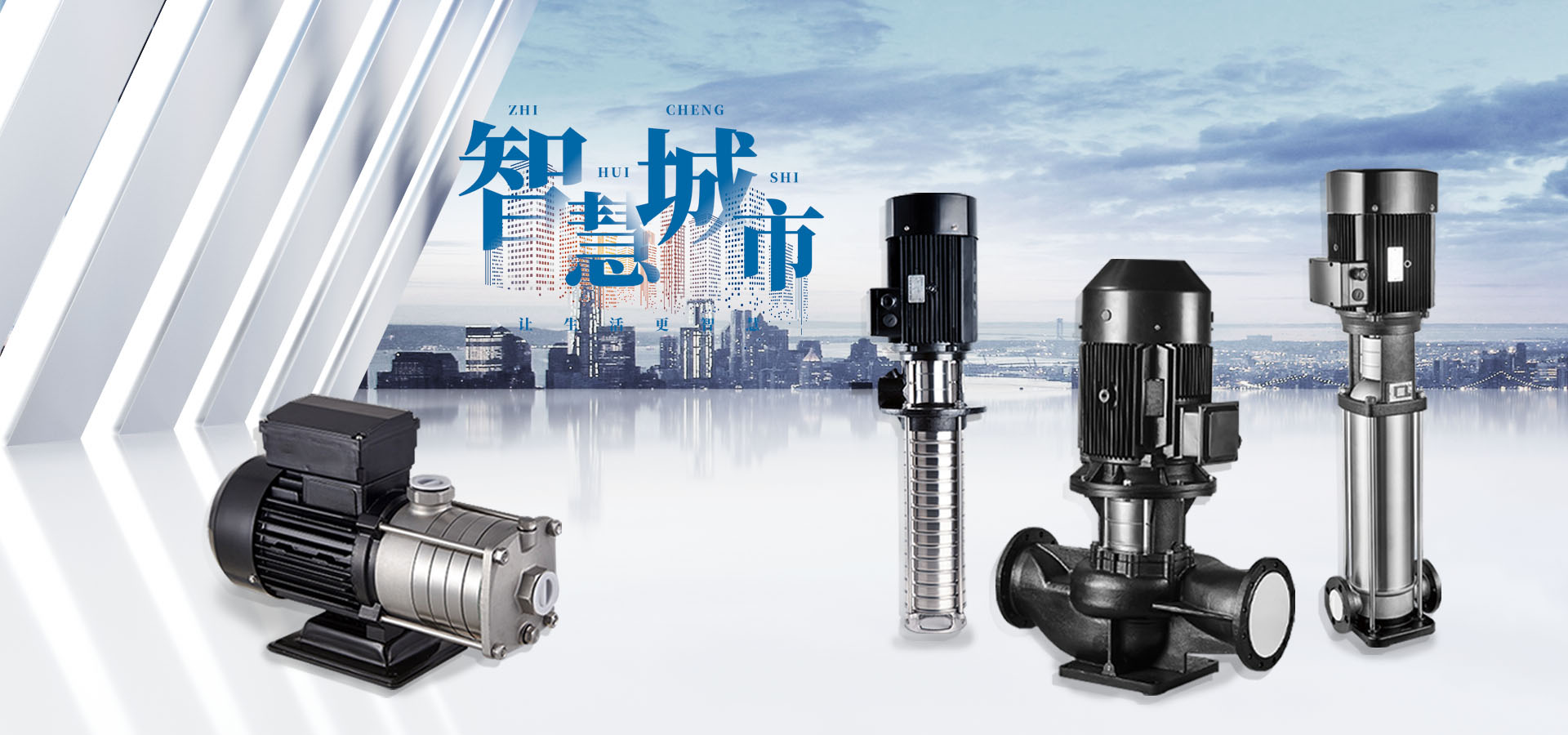
1. Flow Rate ConsiderationsThe selection of a pump’s flow rate should take the following factors into account:A. If the process specifies minimum, normal, and maximum flow rates, design for the maximum flow rate.B. If only a normal flow rate is provided, include a safety margin:
For large-flow, low-specific-speed pumps (\(n_s < 100\)), use a 5% margin.
For small-flow, high-specific-speed pumps (\(n_s > 100\)), use a 10% margin.
For pumps with \(50 \leq n_s \leq 100\), use a 5% margin.
For pumps handling harsh media or operating conditions, use a 10% margin.C. If only mass flow data is provided, convert it to volumetric flow.
2. Temperature ImpactTransporting high-temperature media imposes stricter requirements on pump structure, materials, and auxiliary systems. Here’s how different temperature ranges affect cooling needs:1. Media below 120°C:
2. Media between 120°C and 300°C:
Coolant chambers must be integrated into the pump cover, and the seal chamber should connect to a coolant loop (requiring double mechanical seals). If coolant leakage into the media is prohibited, use self-cooled media (via a simple heat exchanger).
3. Media above 300°C:
3. Media above 300°C:
3. Corrosion RisksIn pharmaceutical and chemical manufacturing, equipment corrosion is a persistent challenge. Corrosion can range from minor equipment damage to severe safety incidents or disasters. Data shows that ~60% of chemical equipment failures are caused by corrosion. Therefore, material selection is critical when choosing corrosion-resistant pumps:
Prioritize materials compatible with the media’s chemical properties (e.g., stainless steel, fluoropolymers, or exotic alloys).
4. Pipeline System FactorsWhen designing pipeline layouts, consider the following:
A. Pipe Diameter Selection:
Larger diameters reduce fluid velocity and friction loss but increase costs.
Smaller diameters increase friction loss, requiring a higher-head pump and higher power consumption. Balance technical performance with economic efficiency.
B. Pressure Rating:
C. Layout Optimization:
Use straight pipelines where possible, minimize fittings, and shorten pipeline length.
For bends, the radius should be 3–5 times the pipe diameter, and angles should preferably exceed 90°.
D. Valve Installation:
5. Sealing RequirementsLeakage prevention is a top priority in chemical and pharmaceutical equipment, driving the use of magnetic drive pumps and canned motor pumps. However, challenges remain, such as:
Service life of protective casings in magnetic/canned pumps.
Pitting corrosion of materials.
Stability of rotating seals.
6. Viscosity EffectsViscosity significantly impacts pump performance:
As viscosity increases, the pump’s head curve drops, with both head and flow rate at the best efficiency point (BEP) decreasing, while power consumption increases and efficiency declines.
Manufacturer datasheet parameters are typically based on water. For viscous media (e.g., slurries, pastes), use correction factors from conversion charts or opt for screw pumps.
7. Additional ConsiderationsIndustrial Pumps: Neglect minor pipeline leaks in process design but account for flow variations due to process changes.
Agricultural Pumps: Factor in seepage and evaporation if using open canal systems.
Pressure Parameters: Suction tank pressure, discharge tank pressure, and system pressure drops (affecting head requirements).
Pipeline Data: Diameter, length, fitting types/quantity, and elevation difference between suction and discharge tanks.
Optional: Prepare mechanical characteristic curves for detailed analysis.




